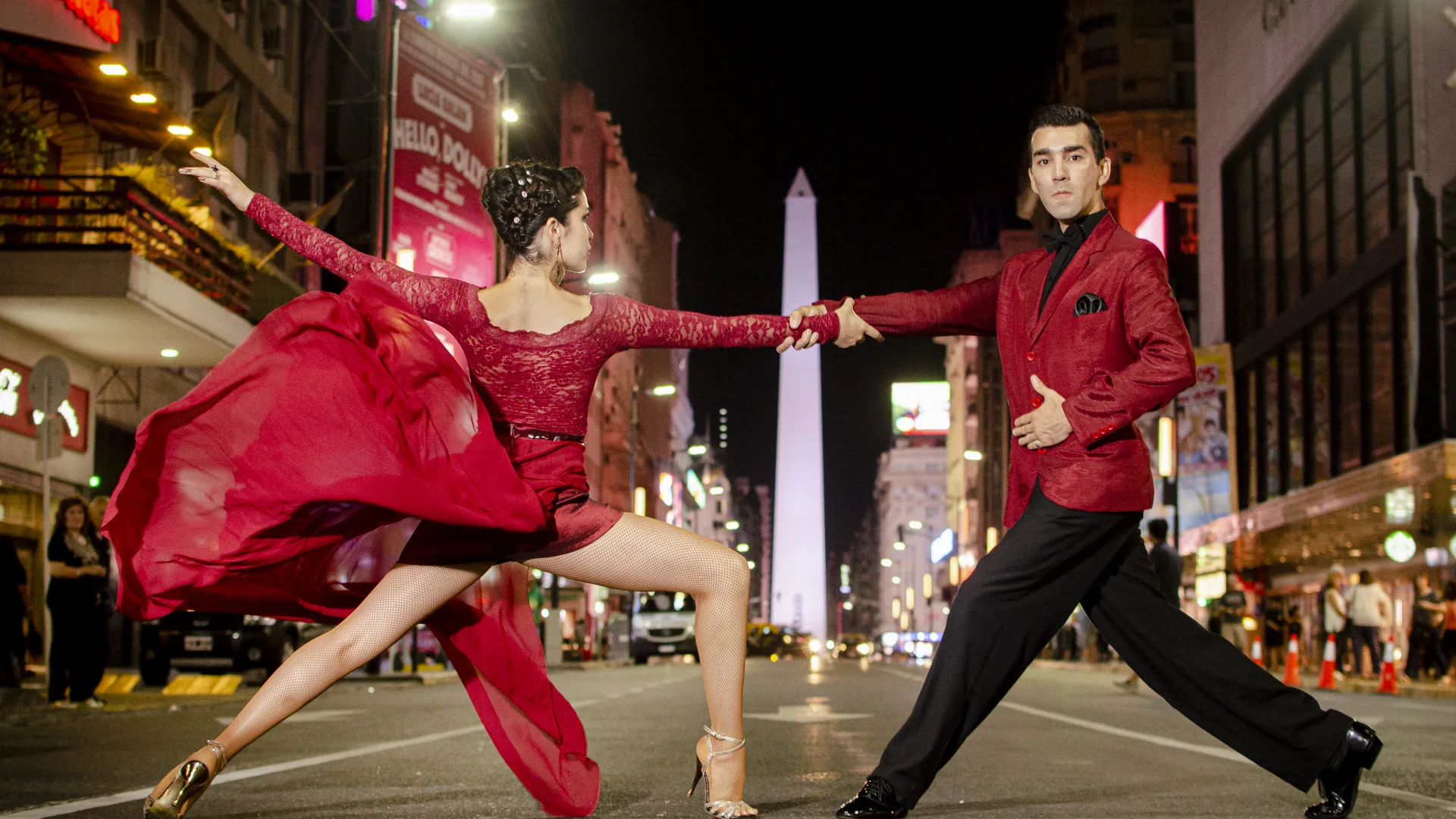
Why Rojo Tango
Why Rojo Tango
Buenos Aires' best-known tango show
The Faena Hotel's own account of itself describes its cabaret room, El Cabaret, as hosting "the number-one tango show in Buenos Aires" — Rojo Tango. It isn't a generic tourist dinner-theatre bolted onto a hotel lobby: the show shares its address with a five-star hotel built by fashion entrepreneur Alan Faena and designed with Philippe Starck, giving it a pedigree most Buenos Aires tango shows don't have.
From salon tango to cabaret, in one room
The evening is staged as a shift in register: traditional, formal "salon" tango to open, then a turn toward a more theatrical cabaret style, with couples dancing close to the tables rather than only on a distant stage. It's a deliberate arc through more than a century of the dance's own history — tango itself developed in the working-class port neighbourhoods of Buenos Aires and Montevideo in the 1880s, before UNESCO recognised it as Intangible Cultural Heritage (jointly with Uruguay) in 2009.
Built for a small room, not a coach-tour theatre
With a reported capacity of around 100 people, El Cabaret is built for proximity rather than scale — dancers work the floor between the tables and, at points in the show, perform on the small stage or on top of the bar itself. That's a genuinely different format from the larger, coach-tour-style tango theatres elsewhere in the city, and it's the main reason seats are limited rather than effectively unlimited.
How a Rojo Tango evening unfolds
How a Rojo Tango evening unfolds
Whichever ticket type you choose, a Rojo Tango night follows roughly the same programme — worth knowing the shape of it before you book.
Arrival
Doors at the Faena
You're welcomed into El Cabaret and seated at your table with a cocktail, inside the converted red-brick mill on the Puerto Madero docks — before the room fills for the night's single sitting.
If you've booked dinner
A three-course Argentine menu
The show-with-dinner ticket adds a three-course dinner of traditional Argentine cuisine, paired with a selection of local wines and cocktails, served before the performance begins in earnest.
Act One
Salon tango
The show opens in a more traditional, formal register — the couples' tango most visitors picture when they think of the dance, performed with the live orchestra playing throughout.
Act Two
The cabaret turn
The evening shifts into a more theatrical cabaret style: dancers move in close to the tables, and at points perform on the small stage or on top of the bar itself, rather than staying at a fixed distance.
Finale
Last dance
The full performance runs to around two hours; doors close for the night once it ends, since El Cabaret runs one seating rather than a rolling schedule.
The room: El Cabaret, inside the Faena
The room: El Cabaret, inside the Faena
"Seeing Rojo Tango" means a specific room, in a specific building — here's what's actually behind the name.
A grain mill, not a purpose-built theatre
The building dates to 1902, when local agribusiness firm Bunge y Born built one of Argentina's largest wheat mills on the site, known locally as El Porteño. Docklands redevelopment made it obsolete by the early 20th century, and it stood shuttered and slated for demolition until fashion entrepreneur Alan Faena bought it and, with designer Philippe Starck, reopened it as the Faena Hotel in October 2004.
El Cabaret
El Cabaret is the hotel's dedicated cabaret room — one of several venues inside the Faena alongside its restaurants, wine cellar and spa — and it's the room Rojo Tango performs in every night.
A close room, not a big one
GetYourGuide's own listing describes a maximum capacity of around 100 people, with dancers performing close to the tables as well as on the small stage — a genuinely intimate format rather than a large tourist theatre, which is also why seats are limited.
A live orchestra, not a recording
Tango's signature instrument, the bandoneon — a type of concertina brought to Argentina by European immigrants around the 1870s and adopted into the young tango genre — anchors the live orchestra accompanying Rojo Tango's dancers, continuing a musical tradition UNESCO recognised as Intangible Cultural Heritage in 2009.
Buenos Aires tango, in pictures
Buenos Aires tango, in pictures
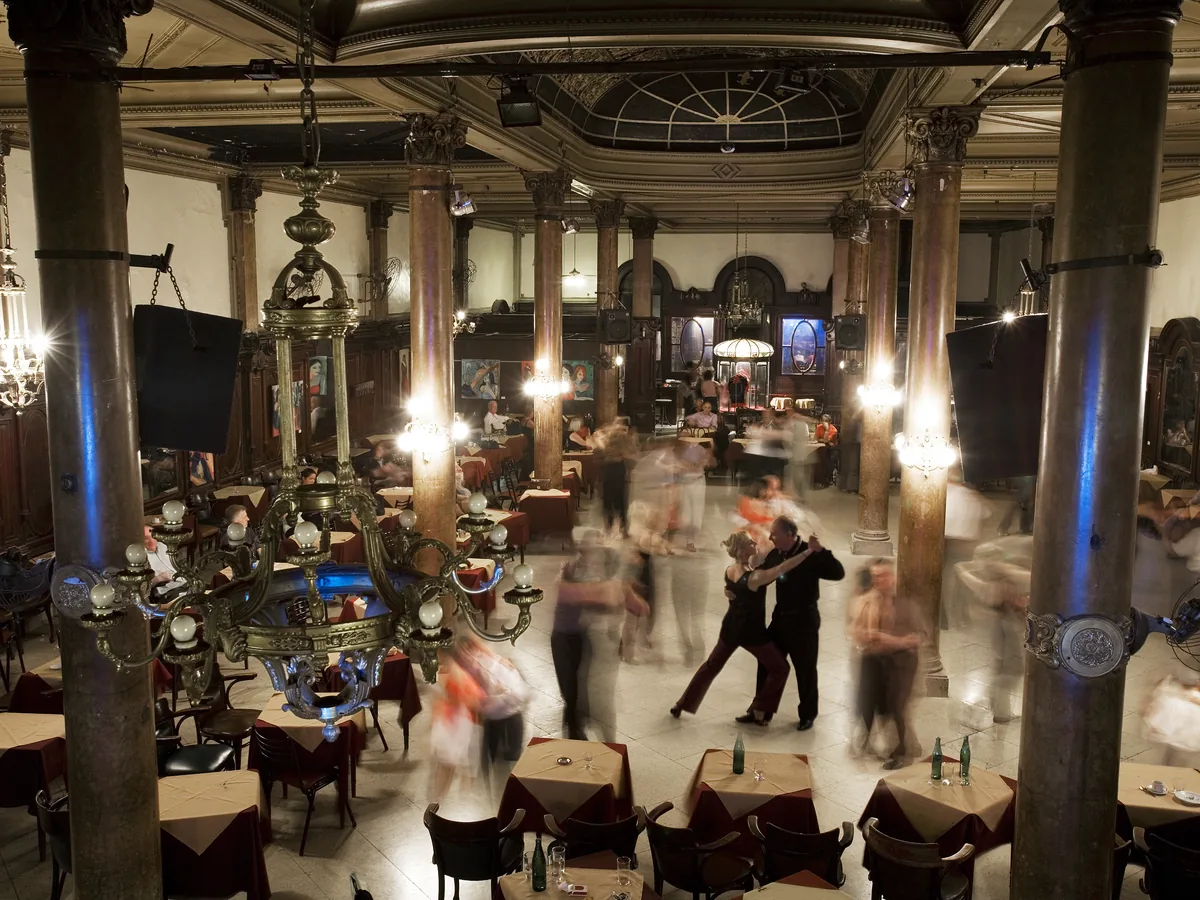
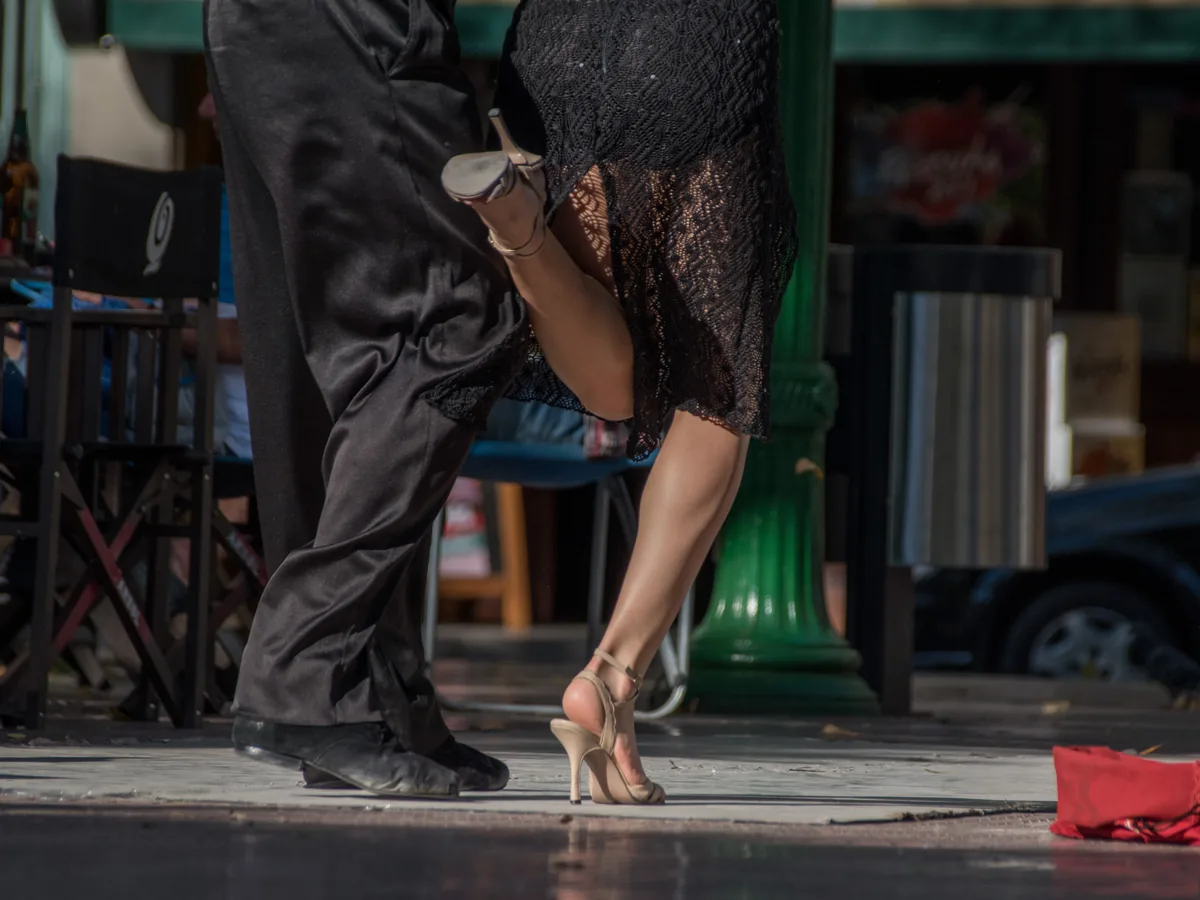
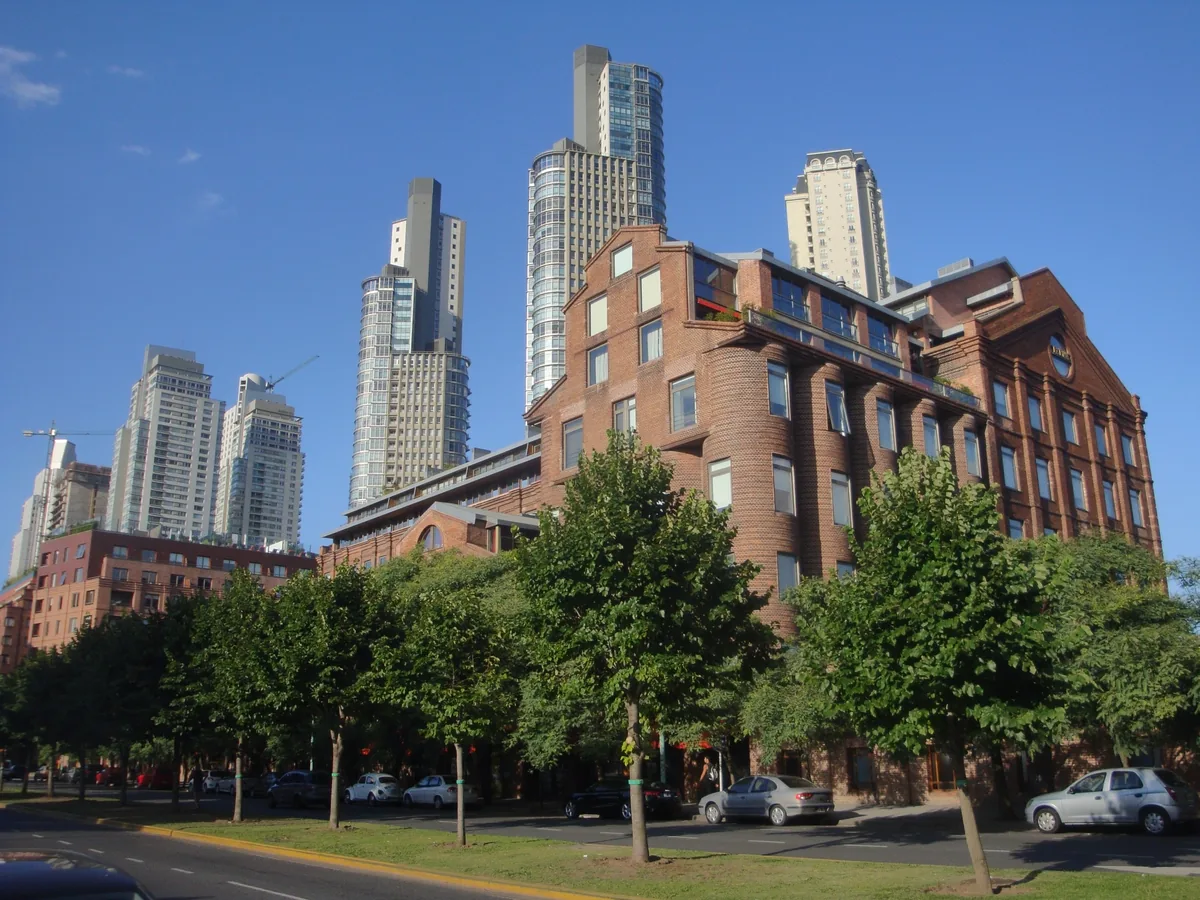
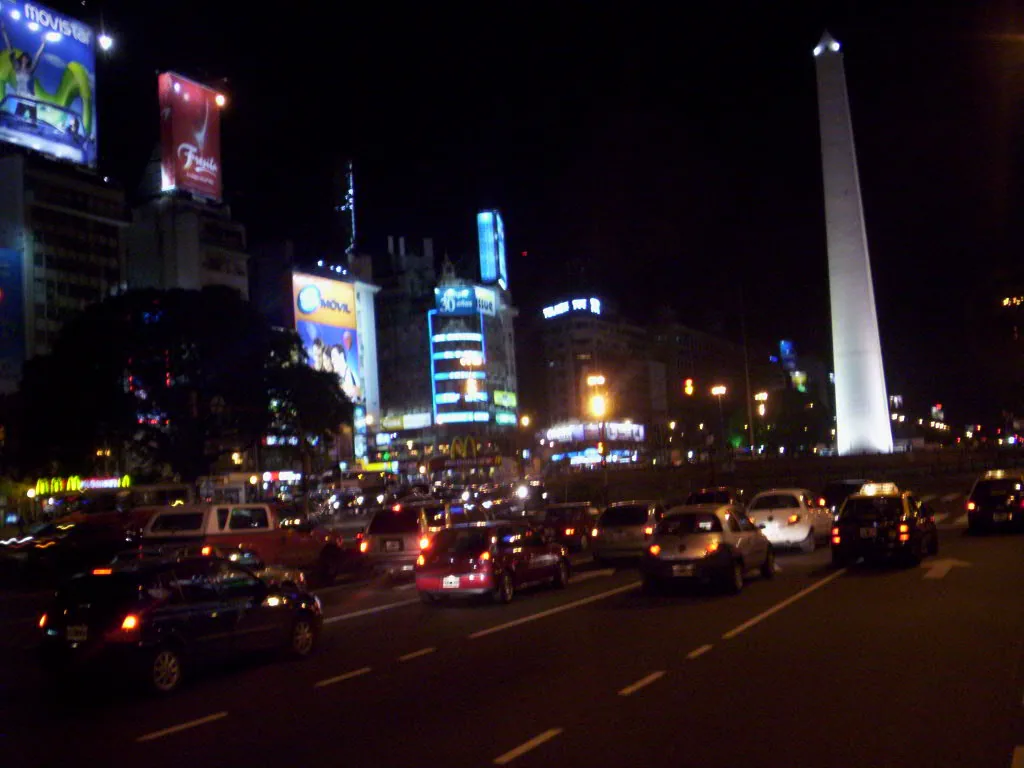
General Buenos Aires tango and city imagery — not photographs of the Rojo Tango show itself, which we don't have rights to photograph.
Show only, or show with dinner
Show only, or show with a three-course dinner
| Ticket type | What it includes | Best for |
|---|---|---|
| Show only | A seat in El Cabaret, a welcome cocktail, and the full roughly two-hour performance with live orchestra | Travellers who've already eaten and want the show itself, at a lower price point |
| Show with dinner | Everything in Show only, plus a three-course Argentine dinner menu with a selection of local wines and cocktails | Travellers making the whole evening — dinner and show together — the main event of the night |
Ways to book Rojo Tango
Find a Rojo Tango date for your trip
Every option below is bookable through GetYourGuide, with live availability and the final price shown in your own currency before you pay.
Planning your night
Planning your night
What to wear
El Cabaret is a smart, dressed-up room inside a five-star hotel — most visitors go smart-casual to formal, and very casual gym wear, beachwear or flip-flops would be out of place. We haven't seen an official dress code published for this specific listing, so if you're unsure, err formal rather than casual.
What time to arrive
Rojo Tango runs a fixed nightly seating rather than a rolling schedule, so your exact showtime is set when you book. Plan to arrive at the time stated on your confirmed booking rather than the show's general opening hours — GetYourGuide will confirm your exact time at checkout.
Getting to Puerto Madero
The Faena Hotel sits in Puerto Madero, Buenos Aires' redeveloped waterfront docklands district, a short taxi or rideshare ride from the city centre. Some Rojo Tango listings include hotel pickup as an add-on — check the specific option you're booking if you'd rather not arrange your own transport at night.
How far ahead to book
Because El Cabaret's capacity is genuinely limited, booking a few days ahead of your date — and further out for a weekend or high-season night — gives you the best chance at your preferred ticket type and table, rather than whatever's left.
When it books out
Rojo Tango isn't a monument you can turn up to whenever you like — El Cabaret is reported to seat a maximum of around 100 people a night, and the show runs on a fixed nightly schedule rather than open browsing hours. That's a real, structural limit on supply, not a marketing device: weekend dates and Buenos Aires' Southern Hemisphere summer high season are the times the best tables and the dinner tiers are most likely to book out first, so a few days' notice matters more here than at a site you can simply walk up to.
Planning a Buenos Aires tango night
Planning a Buenos Aires tango night
Rojo Tango vs. a San Telmo milonga: what's actually different
A produced cabaret show inside a five-star hotel, or a social dance hall where locals actually dance — here's the real difference.
Read more → A CENTURY OF TANGOThe History of Tango: From the Docks to a Cabaret Stage
Tango began in 1880s tenements, nearly died under dictatorship, and was revived by a Paris stage show — the backstory behind a nightly cabaret at the Faena.
Read more → THE MUSIC, DECODEDTango, Vals and Milonga: What You're Actually Hearing
A tango show plays three different rhythms, not one — here's how to tell them apart, what the orchestra behind them is doing, and why the mood keeps shifting.
Read more → CHOOSING YOUR SHOWRojo Tango vs. Buenos Aires' Other Tango Shows
Buenos Aires runs an entire tango-show industry, from 800-seat theatres to a 200-year-old San Telmo room — here's where Rojo Tango's hotel format sits.
Read more → DINNER, WINE & DRESSThe Dinner, the Malbec and the Dress Code, Explained
Why a late booking is normal in Buenos Aires, what Argentine cuisine and Malbec bring to the table, and what "dress up" really means in this specific room.
Read more → BEYOND THE SHOW ITSELFMaking an Evening of Puerto Madero, Not Just the Show
A derelict 1890s port became one of Buenos Aires' most polished districts — use its bridge, reserve and restaurants to build a full night around the show.
Read more →GEO/FAQ
Rojo Tango questions
What is Rojo Tango and where does it take place?
Rojo Tango is a tango dinner-and-show performed nightly in El Cabaret, a dedicated cabaret room inside the Faena Hotel in Puerto Madero, Buenos Aires. The Faena Hotel describes El Cabaret as hosting the top-billed tango show in the city; the hotel itself is a converted 1902 grain mill that Alan Faena, working with designer Philippe Starck, reopened as a hotel in 2004.
Is dinner included, or is it optional?
Dinner is optional. The listing this page describes is sold as "Rojo Tango Show with Optional Dinner" — you can book the show only, with a welcome cocktail, or add a three-course Argentine dinner menu with wine. Choose which at booking; see the comparison table above for what each includes.
How long does the show run, and what should I expect?
The full performance runs to around two hours, with a live tango orchestra playing throughout. It's staged in two registers: a more traditional, formal salon-tango opening, then a shift into a closer, more theatrical cabaret style, with dancers performing near the tables and, at points, on the small stage or the bar itself.
What should I wear to Rojo Tango?
El Cabaret is a dressed-up room inside a five-star hotel, so most visitors go smart-casual to formal. We haven't seen a published official dress code for this specific listing — if in doubt, dress up rather than down, and avoid very casual beachwear, gym wear or flip-flops.
Does Rojo Tango sell out, and should I book ahead?
It can. El Cabaret is reported to seat a maximum of around 100 people a night on a fixed nightly schedule, not open browsing hours, so it's a genuinely limited-capacity show rather than an attraction you can visit any time. Weekend dates and Buenos Aires' Southern Hemisphere summer high season are the times the best tables and dinner tickets are most likely to go first — booking a few days ahead is a real precaution here, not just marketing language.
How does Rojo Tango compare to a traditional Buenos Aires milonga?
They're different experiences: Rojo Tango is a produced, seated cabaret show with a live orchestra and professional dancers, inside a five-star hotel — a night out you watch. A milonga is a social tango dance hall where locals and visitors actually dance, with no formal performance. See our Rojo Tango vs. a San Telmo milonga guide below for the full comparison.
Is the price shown final, and how does booking work?
You book through GetYourGuide, which shows the final price in your own currency before you pay and states the cancellation policy for your specific date up front. We're an independent guide to booking Rojo Tango, not the Faena Hotel or Rojo Tango's producers; the booking itself is handled by GetYourGuide's secure checkout.